
Demnay – Trực tiếp bóng đá đẳng cấp xuyên lục địa
Demnay cập nhật link trực tiếp bóng đá với chất lượng hoàn hảo cho các giải đấu trên toàn thế giới. Với tiềm lực kinh tế mạnh cùng tầm nhìn rộng trang web là sự lựa chọn lý tưởng số 1 cho đam mê trái bóng tròn bất tận của anh em. Tham gia với sân chơi bạn sẽ phải bất ngờ trong từng dịch vụ, khám phá chi tiết thông qua bài tổng hợp dưới đây.
Giới thiệu chung về Demnay
Demnay là trang web hiện đại, hấp dẫn đối với những người yêu thích bộ môn bóng đá. Với đội ngũ bình luận viên chuyên nghiệp cùng quan hệ rộng sân chơi cung cấp link xem trực tiếp các trận đấu bóng đá trên toàn thế giới, giúp bạn không bỏ lỡ bất kỳ trận đấu nào. Tự hào là đơn vị hàng đầu về việc phát trực tiếp thể thao, đặc biệt là bóng đá, tại Việt Nam.
Không chỉ là nơi xem trực tiếp các trận đấu mà còn cung cấp tỷ lệ kèo, lịch thi đấu, bảng xếp hạng và nhiều thông tin quan trọng khác. Với sự nỗ lực không ngừng nghỉ cùng sự thấu hiểu tâm tư người dùng, đây thực sự là một điểm đến lý tưởng không thể chối từ. Trong cuộc sống bộn bề công việc, bất kể thời điểm nào bạn cũng dễ dàng theo dõi và cổ vũ cho đội bóng yêu thích ngay trên màn ảnh nhỏ.
Với mục tiêu mang đến dịch vụ hoàn hảo và chất lượng Demnay đã và đang không ngừng phát triển. Trang web này kết nối tình yêu bóng đá của người hâm mộ trên toàn thế giới, đồng thời cung cấp nhiều dịch vụ hấp dẫn và thú vị liên quan đến bóng đá cho người xem Việt Nam. Với hơn 15 năm hoạt động đã trải qua nhiều thăng trầm tạo nên vị thế vững chắc số 1.
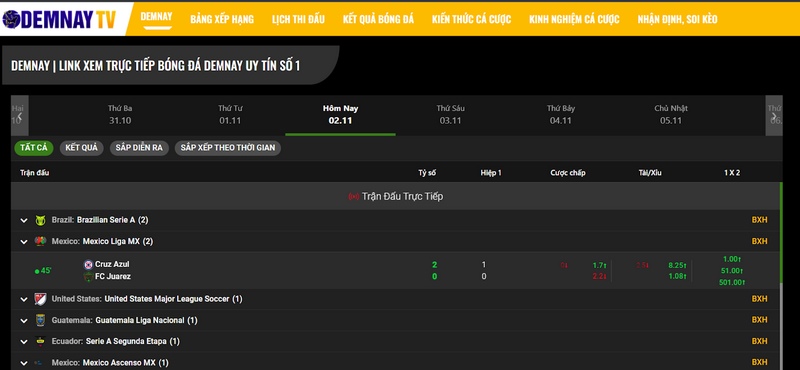
Demnay cập nhật link truy cập an toàn
Là một trang web thể thao khét tiếng nên không tránh khỏi việc bị đối thủ giả mạo thương hiệu. Chỉ có duy nhất 1 link dẫn nên anh em cần dành thời gian tìm hiểu thật kỹ lưỡng, tránh việc vào nhầm làm ảnh hưởng đến chất lượng cũng như uy tín của sân chơi.
Demnay đặc biệt quan tâm đến trải nghiệm người dùng trên mọi nền tảng, nhất là với người mới. Hệ thống cung cấp link truy cập chính thức an toàn, công khai và miễn phí nên anh em an tâm khi nhấp chuột. Ngoài ra còn có hệ thống link dự phòng cho một số trường hợp tài khoản bị chặn:
Link 1:
Link 2:
Link 3:
5 lý do Demnay khiến người dùng mê mẩn
Không khó hiểu khi Demnay trở thành một trong những địa chỉ tin cậy nhất thị trường hiện nay. Ngay từ ngày đầu ra mắt đã khiến bao trái tim phải mê mẩn trong việc xem trực tiếp bóng đá và cập nhật tin tức thể thao nóng hổi. Bật mí nhanh cho anh em 5 lý do được đánh giá từ chính người dùng sau nhiều năm trải nghiệm ngay dưới đây:
Tổng hợp chuẩn và đủ tin tức thể thao
Trang web thành công mang tới cho người dùng một nguồn thông tin thể thao đa dạng và phong phú. Bước vào sân chơi bạn dễ dàng tìm thấy tin tức mới nhất về các giải đấu, câu chuyện thú vị về các cầu thủ và đội bóng, cũng như những sự kiện nổi bật trong làng thể thao. Được tổng hợp chi tiết từ nhiều nguồn đảm bảo chất lượng và độ chính xác tuyệt đối.
Sở hữu đội ngũ bình luận dí dỏm
Điểm đặc biệt của trang web không thể bỏ qua đó là đội ngũ bình luận viên dí dỏm, hài hước và giàu kinh nghiệm. Không chỉ cung cấp những thông tin chính xác và sâu sắc về trận đấu, mà còn mang đến những giây phút giải trí thú vị cho người xem. Ngay trong diễn biến thực bạn được phép tương tác, giao lưu và đặt câu hỏi băn khoăn cho bình luận thông qua tính năng hiện đại.

Hạn chế tối đa quảng cáo
Demnay hiểu rằng quảng cáo có thể làm phiền người dùng và làm gián đoạn trải nghiệm xem trực tiếp. Vì vậy, trang web đã hạn chế tối đa sự xuất hiện của chương trình không chính thống hay các nhãn hàng trên màn hình chính. Đây là lý do khiến tên tuổi trang thể thao được nhiều người biết đến, thoải mái tận hưởng trọn vẹn những trận đấu yêu thích mà không bị gián đoạn.
Giao diện thân thiện
Gây ấn tượng với người dùng ngay từ lần đầu bởi sở hữu giao diện trực quan và thân thiện với người dùng. Bạn có thể dễ dàng tìm kiếm và truy cập vào các trận đấu, tin tức và thông tin khác chỉ với vài cú click chuột. Hình ảnh đơn giản nhưng hiệu quả, giúp người dùng tiết kiệm thời gian và tận hưởng trải nghiệm mượt mà trên trang web.

Chuyên gia chia sẻ kinh nghiệm soi kèo đẳng cấp
Một trong những lý do làm nên trang web nổi tiếng đó là đội ngũ chuyên gia có bề dày kinh nghiệm cá cược. Bạn có thể học hỏi và nhận được những thông tin quan trọng để đưa ra quyết định cá cược thông minh và hiệu quả. Nhận định được tổng hợp trước, trong và sau trận đấu với sự tỉ mỉ, rõ ràng, tân thủ nên tham khảo để nâng cao tỷ lệ thắng cho bản thân.
Chuyên mục thể thao hấp dẫn chỉ có tại Demnay
Với chuyên mục thể thao hấp dẫn, Demnay đáp ứng mọi nhu cầu giải trí của người hâm mộ bóng đá. Hợp tác với nhiều tổ chức thể thao và cả ban tổ chức giải để chắc chắn bài viết đến tay người dùng đạt chất lượng cao nhất. Nhận được sự quan tâm của nhiều người nhờ sự chỉn chu trong từng dịch vụ, điển hình như một số thế mạnh sau:
Xem thêm: Trang chủ chính thức Demnay
Tin tức bóng đá 24/24 nóng hổi
Demnay được biến đến nguồn tin đáng tin cậy trong việc cập nhật tin tức bóng đá mới nhất. Tại đây, bạn sẽ tìm thấy thông tin về các sự kiện, transfer, tin đồn, tin tức chấn động và các câu chuyện hậu trường thú vị về các câu lạc bộ, đội tuyển và cầu thủ. Bên cạnh đó còn cung cấp tin thể thao nhanh, chính xác và uy tín để bạn sống trọn trong đam mê riêng mình.
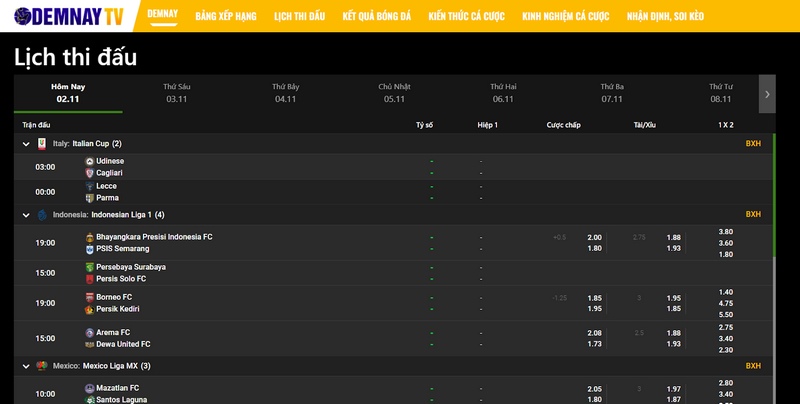
Cập nhật lịch thi đấu giải toàn cầu
Trang web cam kết luôn cập nhật với lịch thi đấu của các giải đấu bóng đá hàng đầu trên toàn thế giới. Thông tin về các trận đấu, thời gian, địa điểm và các đội tuyển tham gia sẽ được tổng hợp ngay sau khi ban tổ chức công bố. Lịch được quy đổi theo múi giờ Việt Nam hướng tới mục đích hỗ trợ người hâm mộ không bỏ lỡ bất kỳ trận đấu quan trọng nào.
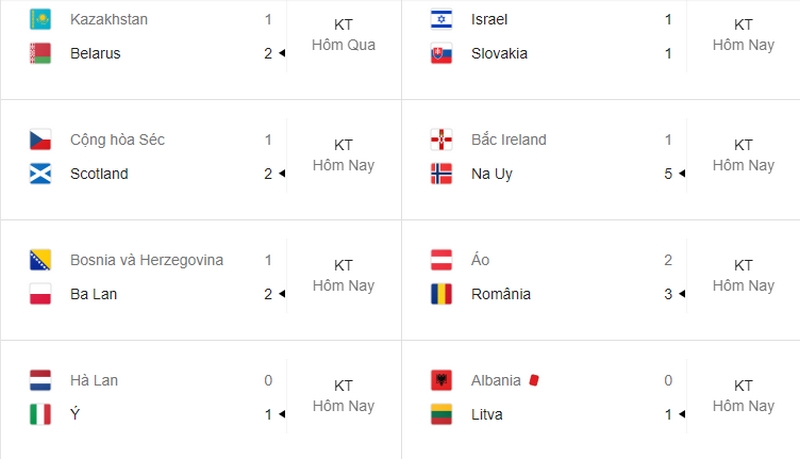
Thống kê kết quả sau trận đấu
Sau mỗi trận đấu diễn ra trên sân cỏ trang web uy tín hàng đầu cung cấp thống kê kết quả. Bạn thuận tiện theo dõi thông tin về tỷ số, thẻ đỏ, thẻ vàng, cầu thủ ghi bàn, chiến lược chơi đã áp dụng và những yếu tố tạo nên chiến thắng của đội bóng. Thống kê cặn kẽ giúp bạn có cái nhìn tổng quan về trận đấu và hiểu rõ hơn về diễn biến của trận đấu.
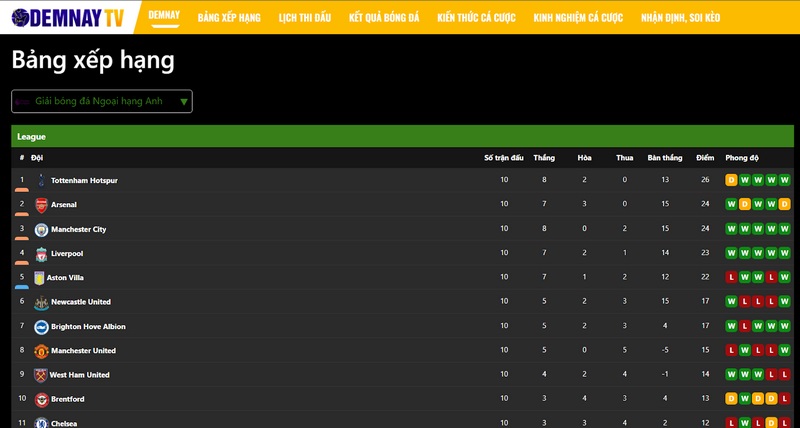
Update bảng xếp hạng chuẩn chỉnh
Demnay cung cấp bảng xếp hạng được cập nhật đầy đủ và chính xác. Người hâm mộ dễ dàng xem thứ hạng của các câu lạc bộ, đội tuyển và cầu thủ trong các giải đấu khác nhau. Bảng được sắp xếp dựa theo các tiêu chí như điểm số, hiệu số bàn thắng, số trận thắng giúp bạn theo dõi sự thay đổi trong thứ hạng và đánh giá sự phát triển của các đội bóng và cầu thủ yêu thích của bạn.
Demnay nổi tiếng với tỷ lệ kèo phong phú
Ngoài cung cấp link trực tiếp các trận đấu trang web còn nổi tiếng với tỷ lệ kèo phong phú. Bạn có thể tìm thấy tất cả kèo cược thú vị từ nhà cái hàng đầu và cập nhật thường xuyên. Tùy theo mỗi giải mà kèo có đặc điểm khác nhau cùng mức ăn thưởng riêng như: kèo châu Á, châu Âu, kèo Tài Xỉu, kèo tỷ số, kèo ném biên, kèo chấp đồng banh,…

Cách truy cập sống trọn đam mê với Demnay
Để có thể theo dõi các trận đấu hấp dẫn tại Demnay bạn chỉ cần chuẩn bị một thiết bị điện tử có kết nối internet ổn định. Thực hiện chuẩn chỉnh theo các bước dưới đây để nhanh chóng thu nhỏ thế giới thể thao vào trong lòng bàn tay:
- Bước 1: Đầu tiên, bạn cần tìm đường link chính thức để truy cập vào giao diện trang web thể thao.
- Bước 2: Sau khi truy cập thành công vào trang web, hãy vào chuyên mục xem bóng đá. Tại đây, bạn sẽ tìm thấy danh sách các trận đấu đang diễn ra hoặc sắp diễn ra.
- Bước 3: Tìm kiếm và lựa chọn trận đấu mà bạn quan tâm và bấm vào nút “Xem ngay”. Dễ dàng tùy chỉnh âm thanh và kích thước màn hình theo ý muốn cho trải nghiệm tốt nhất.
- Bước 4: Ngoài ra, trên trang web cũng có phần khung chat để người xem có thể giao lưu và trò chuyện với những người khác đang xem. Bạn cũng được phép chia sẻ suy nghĩ, ý kiến và cảm nhận về trận đấu với cộng đồng người hâm mộ khác.
Theo dõi thông tin trên Demnay có mất phí không?
Trang thể thao Demnay được đánh giá cao từ chính người dùng và chuyên gia giải trí online. Tất cả dịch vụ cung cấp trên giao diện màn hình chính đều hoàn toàn miễn phí với mọi người cho bạn theo dõi, cập nhật tin tức thể thao dễ dàng. Chỉ với một cú nhấp chuột bạn sẽ tìm kiếm và thu thập được những thông tin bóng đá quan trọng mà không cần mất quá nhiều thời gian đăng ký tài khoản.
Kể cả link trực tiếp hay thông tin giải đấu, cầu thủ, bảng xếp hạng, lịch thi đấu, thậm chí là tỷ lệ kèo đều free. Không có bất kỳ yêu cầu trả phí nào được đưa ra nên nếu bạn bị ép nạp tiền hãy liên hệ ngay đến nhân viên hệ thống. Chỉ khi tham gia vào kèo cược bạn sẽ phải đăng ký thành viên để trang web liên kết cho bạn đến nhà cái uy tín.
Kết luận
Toàn bộ thông tin trên bài viết phần nào giúp bạn đọc hiểu rõ hơn về trang thể thao Demnay nổi tiếng hàng đầu. Ra đời và phát triển với mục tiêu tạo dựng môi trường giải trí an toàn, lành mạnh và minh bạch cho tín đồ đam mê trái bóng tròn. Hãy ghé thăm ngay hôm nay, vô vàn bất ngờ đang chờ bạn khám phá và chinh phục mỗi ngày.